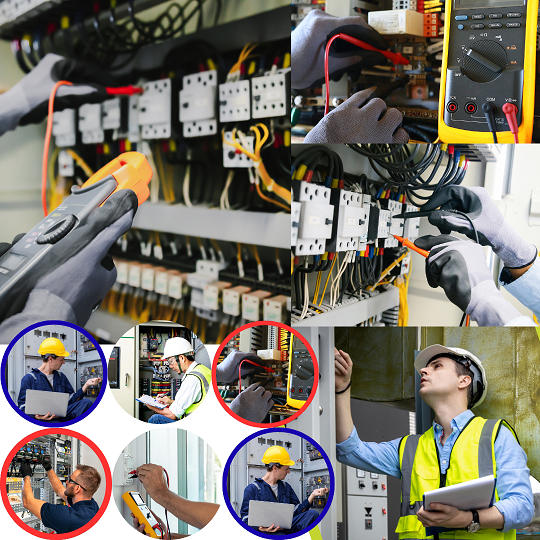
Building Electrical Inspection

A building electrical inspection is a comprehensive review of a building's electrical system to ensure it is safe, functional, and meets current code standards. This process involves checking the wiring, panels, outlets, and other components for hazards like fire risks and electrical shock, and it is crucial for new construction, remodels, and periodically in existing buildings.

What an inspection covers : 
 
    • Wiring: Verifies proper installation, adequate sizing, and absence of damage or exposed wires.
    • Electrical Panel: Checks the panel for correct breaker sizing, proper grounding, and signs of overheating.
    • Outlets and Switches: Confirms they are grounded, have proper GFCI or AFCI protection, and are correctly wired.
    • Safety Devices: Tests safety switches and smoke alarms to ensure they are functioning correctly.
    • Compliance: Ensures the entire system adheres to local and national electrical codes.
  •  
  • Types of building electrical inspections :
    • Rough-in Inspection: Performed after the wiring is installed but before walls are closed up, checking that all boxes, wiring, and equipment are correctly in place.
    • Final Inspection: Conducted after the electrical system is fully installed and before the building is occupied, testing for proper functionality and final code compliance.
    • Periodic Inspection: Performed at regular intervals in existing buildings to check the overall health of the electrical system and identify potential issues before they become hazardous. 
 
Why it’s important : 
  • Safety: Prevents electrical fires, shocks, and other hazards.
  • Code Compliance: Ensures the building’s electrical system meets current safety regulations.
  • Cost Savings: It is much cheaper and easier to fix issues during the inspection phase than after the building is complete.
  • Peace of Mind: Provides confidence that the electrical system is safe for residents or occupants. 


How to get an accurate estimate?

Since there is no standard rate, the best approach is to contact IFM providers directly to request a personalized quotation. When contacting providers, be prepared to outline your specific needs, including:

  • The range and location of your facility.
  • The list of services you require (e.g., Panel Board, Security System, all-over electrical-mechanical system.
  • Any special requirements, such as a 24/7 emergency response team.